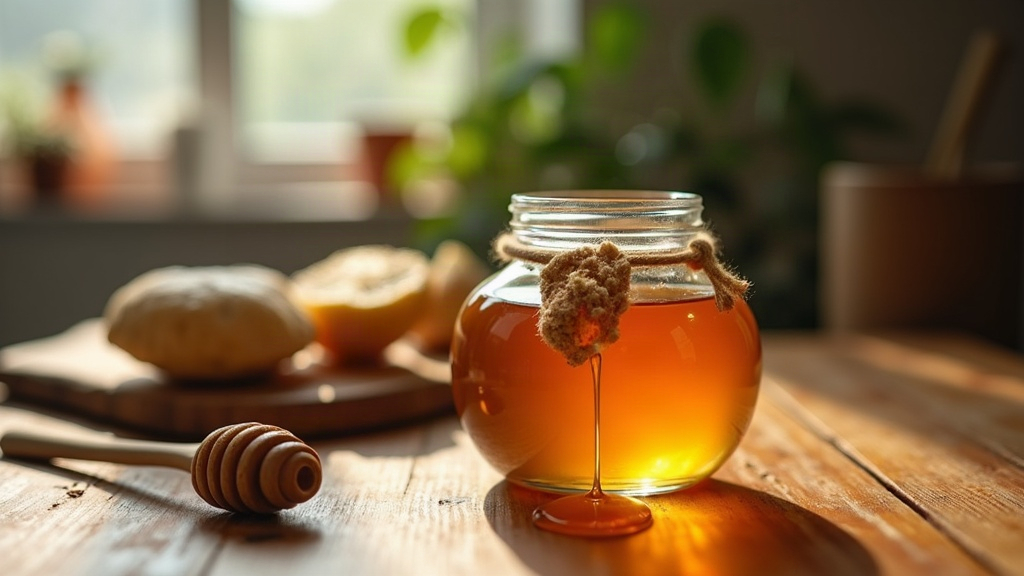
Long before supplements and shortcuts existed, raw honey held a quiet place in the kitchens of grandmothers who trusted their own recall more than any modern app. This feature looks at why that old habit is resurfacing now.
Do you ever walk into a room and forget why you went there, then wonder if that’s normal or the start of something bigger? The truth is more layered than most headlines admit, and it starts with what’s happening quietly inside the body.
Hormonal shifts after 50 alter how the brain prioritizes and retrieves information, making recall feel less immediate than it once did.
Deep sleep stages shorten with age, and much of the brain's overnight filing of memories depends on exactly those stages.
Mitochondria, the cell's energy producers, become less efficient over time, and focus is one of the first things to feel that dip.
Decades of diet, stress, and environment leave a quiet inflammatory residue that researchers increasingly link to cognitive changes.
Most of what circulates about memory after 50 is a mix of half-truths repeated so often they sound like science. Separating the two matters more than it seems.
Memory loss after 50 is purely genetic and unavoidable.
Genetics matter, but daily habits, diet, and rest patterns interact with genetic predisposition in ways researchers are still actively mapping.
Natural ingredients like honey are folklore with no real scientific interest.
Traditional ingredients including raw honey have drawn renewed attention from nutrition researchers studying polyphenol content and how they interact with everyday diets.
If you don’t notice memory problems, your brain is aging just fine.
Cognitive changes are often gradual and internal. Noticing nothing today doesn’t mean nothing is shifting beneath the surface.
Rather than a single fix, the story follows a layered approach built around three consistent habits observed across several traditions.
The feature traces how whole-food ingredients, including raw honey used in moderation, have long been paired with herbs and spices in traditional diets tied to daily vitality.
A recurring theme is the return to steady sleep windows, since much of memory consolidation depends on uninterrupted overnight cycles.
Simple daily journaling is shown as a way to notice real patterns over time instead of reacting to any single forgetful moment.
Honey has appeared in wellness traditions for centuries, from Mediterranean households pairing it with nuts and herbs, to Ayurvedic practices combining it with warming spices for daily rituals. Early apiarists and healers documented its use not as medicine, but as a staple ingredient woven into meals meant to support steady daily energy. Modern researchers have since turned their attention to the flavonoids and trace compounds found in raw, minimally processed honey, examining how these interact with blood sugar and everyday nutrition rather than treating it as a singular solution.
Some researchers now suggest the renewed interest in honey isn’t about one miracle molecule, but about how it fits into a broader pattern of diet, spice pairing, and rest that traditional cultures maintained long before modern research caught up.
Mid-sentence blanks that used to be rare start happening more often, even in relaxed conversations.
Keys, glasses, or phones end up in unusual places more frequently than before.
Details from a chat just days ago feel harder to pin down than they once did.
Recipes, directions, or assembly steps require more re-reading than they used to.
Focus that once lasted through the afternoon now seems to fade earlier and earlier.
A vague fuzziness settles in without any clear trigger, making sharp thinking feel like more effort than it should.
Testimonials reflect individual opinions and personal experiences. They are not a guarantee of any outcome, and results vary from person to person.
No. This content is educational and explores traditional ingredients and habits. It does not diagnose, treat, cure, or prevent any condition.
Honey has a long documented history in traditional diets across several cultures, which is why it’s discussed as part of a broader dietary pattern, not as a standalone solution.
Not necessarily. Many changes are part of typical aging, though persistent or sudden changes should always be discussed with a healthcare professional.
The feature discusses small, layered habits rather than dramatic overhauls, but any dietary change should be considered alongside professional guidance.
Yes. This page contains sponsored content and may include affiliate links, as disclosed in the footer below.
It’s written primarily for adults 50 and older who are curious about the everyday factors linked to cognitive changes.
We recommend watching the full feature and speaking with a qualified healthcare provider about any personal health decisions.
The full feature walks through the history, the questions researchers are asking, and the daily habits tied to this renewed interest in honey. No promises, just the full picture.
Advertising Disclosure: This page contains sponsored content created for advertising purposes and may include affiliate links. We may receive compensation for purchases made through links on this page. This content is not independent editorial reporting.
Content Disclaimer: This content is provided for educational and informational purposes only. It has not been evaluated by the FDA. It is not intended to diagnose, treat, cure, or prevent any disease or condition. Always consult a qualified healthcare professional before making any decisions related to your health.
Results Disclaimer: Individual results vary. Testimonials and personal accounts shared on this page reflect individual experiences and are not a guarantee of any specific outcome for you or anyone else.
© 2026 · All Rights Reserved · /contact/